Aluminum Casting innovations which expand opportunities for specialized parts
Leading Reasons Aluminum Foundry Spreading Is Considered Eco-Efficient and Sustainable and eco-efficient
Light weight aluminum foundry spreading has become a leading technique for sustainable production. Its high recyclability sets it apart, permitting indefinite reuse with minimal energy prices. The production process is created to be energy-efficient, contributing to a significantly decreased carbon footprint. On top of that, advancements in modern technology have actually resulted in lower waste generation. These elements, in addition to the support for round economic climate principles, raise essential questions regarding the future of this eco-efficient method.
High Recyclability of Light Weight Aluminum
Light weight aluminum's high recyclability stands as a keystone of its sustainability profile. This metal can be reused forever without losing its crucial homes, making it an essential part of a circular economic climate. Around 75% of light weight aluminum ever before generated is still in usage today, showcasing its longevity and reusability - Foundry. The recycling procedure requires only 5% of the energy required for main light weight aluminum manufacturing, significantly lowering carbon discharges and source deficiency
Recycling light weight aluminum additionally conserves natural deposits, lessening the requirement for bauxite removal, which can be environmentally harmful. In addition, the recycled aluminum can be transformed right into new products, varying from beverage cans to automobile parts, therefore supporting various industries. As consumer awareness of environmental problems expands, the need for recycled aluminum is expected to increase, motivating more reliable methods. On the whole, the high recyclability of light weight aluminum not just enhances its sustainability but additionally leads the method for a more responsible strategy to source monitoring.
Power Performance in Production
A significant facet of aluminum factory spreading is its concentrate on energy efficiency in production processes. The use of innovative technologies, such as die casting and investment spreading, enables precise control over the material and power inputs needed. These methods lessen waste and optimize the melting and spreading cycles, reducing general energy consumption.
Additionally, modern-day shops use insulation techniques to maintain warmth during the melting process, better enhancing energy efficiency - Foundry. The integration of renewable resource sources, such as solar and wind power, is ending up being progressively common, adding to a much more sustainable manufacturing atmosphere
Decreased Carbon Footprint
Energy efficiency not only boosts production procedures however likewise plays a substantial function in lowering the carbon impact of aluminum foundry spreading. The adoption of sophisticated modern technologies, such as energy-efficient heating systems and optimized melting strategies, lessens energy consumption, which straight associates with reduced greenhouse gas emissions. Consequently, this shift not just supports ecological objectives but additionally adds to the sustainability of industrial procedures.

Lower Waste Generation
In the pursuit of eco-efficient light weight aluminum foundry spreading, minimizing product waste is critical. By utilizing recyclable steel and applying reliable manufacturing processes, factories can substantially reduce waste generation. This approach not just conserves sources however also boosts overall sustainability in the spreading market.
Very Little Product Waste
While functioning in the direction of sustainability, the aluminum foundry sector focuses on marginal product waste as an essential objective. This strategy includes enhancing the style and manufacturing procedures to lower excess product during manufacturing. Advanced modeling techniques and computer-aided layout enable for specific computations, making certain that every piece of light weight aluminum offers an objective. Additionally, shops carry out reliable mold layouts that optimize the application of aluminum while minimizing scrap. By employing extensive top quality control steps, problems can be recognized early, further minimizing product waste. The adoption of lean manufacturing principles encourages continual enhancement, promoting a culture of waste reduction throughout the production cycle. Inevitably, these methods not only boost functional performance yet also contribute to a much more lasting production environment in the aluminum factory market.
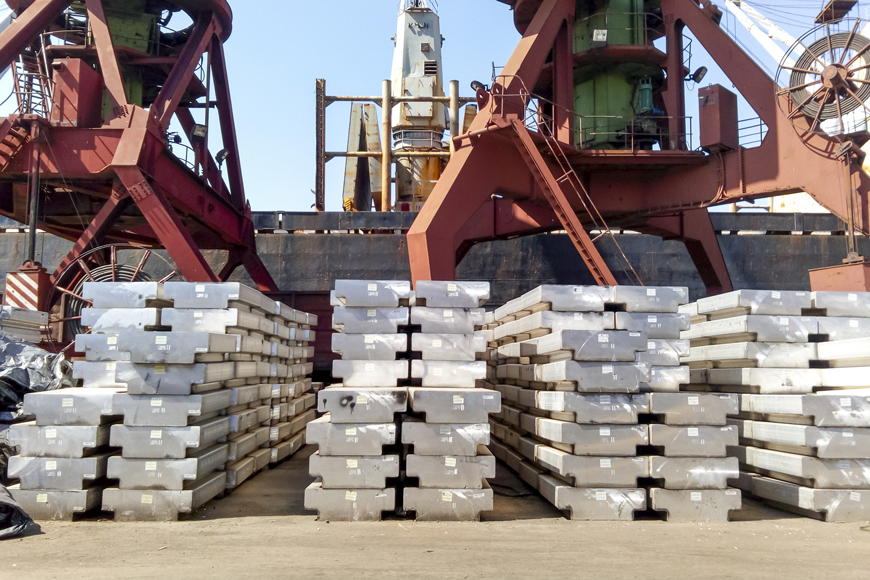
Recyclable Metal Usage
Effective Production Procedures
Effective production processes are important for minimizing waste generation in light weight aluminum factories, as they straight impact source use and ecological sustainability. By adopting innovative manufacturing methods, factories can considerably lower scrap rates and power consumption. Strategies such as lean production and just-in-time production simplify procedures, permitting ideal usage of basic materials and lessening excess stock. In addition, the implementation of recycling and re-melting strategies assures that any kind of excess light weight aluminum is repurposed, additionally decreasing waste. Automation and precision in casting procedures also add to higher accuracy, lowering the need for rework and connected waste. Inevitably, these reliable manufacturing procedures not just improve the factory's financial performance yet additionally advertise an even more sustainable approach to aluminum casting.
Lengthy Item Life Cycle
The lengthy item life process of aluminum castings is mainly associated to their exceptional resilience and stamina. These qualities bring about a minimized regularity of replacements, enabling even more lasting usage in time. The long life of these products adds significantly to eco-efficiency in producing processes.
Sturdiness and Stamina
Sturdiness and strength are vital aspects in the lengthy product life cycle of aluminum spreadings. These residential or commercial properties ensure that light weight aluminum parts can hold up against extreme atmospheres, mechanical stress and anxieties, and temperature level variations without considerable degradation. The integral resistance of aluminum to rust further boosts its longevity, making it appropriate for different applications, from auto parts to architectural components in buildings. Furthermore, the capacity to maintain architectural integrity with time minimizes the likelihood of failings, which is crucial in markets where safety is extremely important. The mix of these characteristics causes raised reliability and performance, eventually adding to a much more sustainable technique in production. Aluminum spreadings not only offer their desired function properly yet likewise advertise resource effectiveness with their prolonged functionality.
Lowered Substitute Regularity
A considerable benefit of light weight aluminum spreadings is their minimized replacement regularity, which contributes to a longer item life cycle. This longevity is credited to the integral residential or commercial properties of aluminum, including its resistance to rust and wear. Unlike various other materials that might weaken over time, aluminum keeps its architectural integrity under different ecological problems. Consequently, products made from aluminum castings need much less constant replacement, causing reduced source usage and waste generation. Furthermore, the prolonged life cycle of aluminum components means that fewer materials require to be mined and refined, additionally enhancing their eco-efficiency. This sustainability aspect not only benefits producers but also aligns with growing environmental problems, promoting a round economic situation strategy in commercial practices.
Assistance for Circular Economic Situation Principles
Assistance for circular economic climate concepts is crucial in the context of eco-efficient aluminum shop spreading. This strategy highlights the value of source effectiveness and waste decrease through the recycling and reuse of materials. Light weight aluminum shops actively take part in this model by making use of recycled light weight aluminum, which considerably decreases power usage and decreases environmental effect compared to primary light weight aluminum production.
The assimilation of circular economy concepts enables foundries to minimize their carbon footprint while producing economic worth. By promoting a closed-loop system, where end-of-life aluminum items are reintegrated right into the manufacturing process, factories add to lasting resource monitoring.
Additionally, the fostering of these concepts encourages development in layout and production, promoting longer-lasting items that require fewer resources. Therefore, eco-efficient aluminum foundry casting straightens with global sustainability objectives, inevitably sustaining a shift towards a more resilient and lasting economic climate.
Regularly Asked Questions
Exactly How Does Light Weight Aluminum Spreading Impact Local Ecosystems?
Aluminum spreading can affect regional ecosystems by changing land usage, potentially influencing wildlife habitats and water top quality. Responsible techniques can alleviate unfavorable results, advertising sustainability and reducing environmental impacts in surrounding areas.
What Are the Health And Wellness Advantages of Using Light Weight Aluminum Products?
Aluminum products use wellness benefits such as light-weight construction minimizing physical stress, rust resistance lessening harmful direct exposure, and recyclability advertising environmental sustainability. Their use can result in much safer, much more efficient living and working atmospheres for individuals.
Are There Any Disadvantages to Light Weight Aluminum Shop Spreading?
Aluminum foundry casting has drawbacks, including energy-intensive processes, possible emissions during manufacturing, and the threat of environmental contamination. Additionally, incorrect recycling techniques can result in waste and resource exhaustion, undermining sustainability efforts.
Exactly How Does Light Weight Aluminum Spreading Compare to Other Products?
Aluminum casting typically offers a desirable strength-to-weight ratio, rust resistance, and recyclability contrasted to materials like steel and plastic. Its light-weight nature supplies advantages in different applications, boosting effectiveness and performance in many industries.
What Industries Benefit Most From Light Weight Aluminum Foundry Casting?
The vehicle, aerospace, and building and construction industries profit most from aluminum foundry spreading. Its light-weight homes enhance fuel performance in automobiles, while its strength and adaptability meet demanding architectural requirements in various applications, advertising innovation and sustainability.
A have a peek here substantial aspect of dig this aluminum shop casting is its focus on energy efficiency in production processes. Power efficiency not only improves manufacturing procedures however likewise plays a substantial role in minimizing the carbon impact of aluminum factory spreading. Light weight aluminum foundry spreading frequently makes use of recycled light weight aluminum, which requires substantially less energy compared to generating new metal from raw materials. In the quest of eco-efficient light weight aluminum shop spreading, minimizing product waste is critical. Aluminum factory casting has drawbacks, consisting of energy-intensive processes, prospective discharges throughout production, and the threat of environmental contamination.